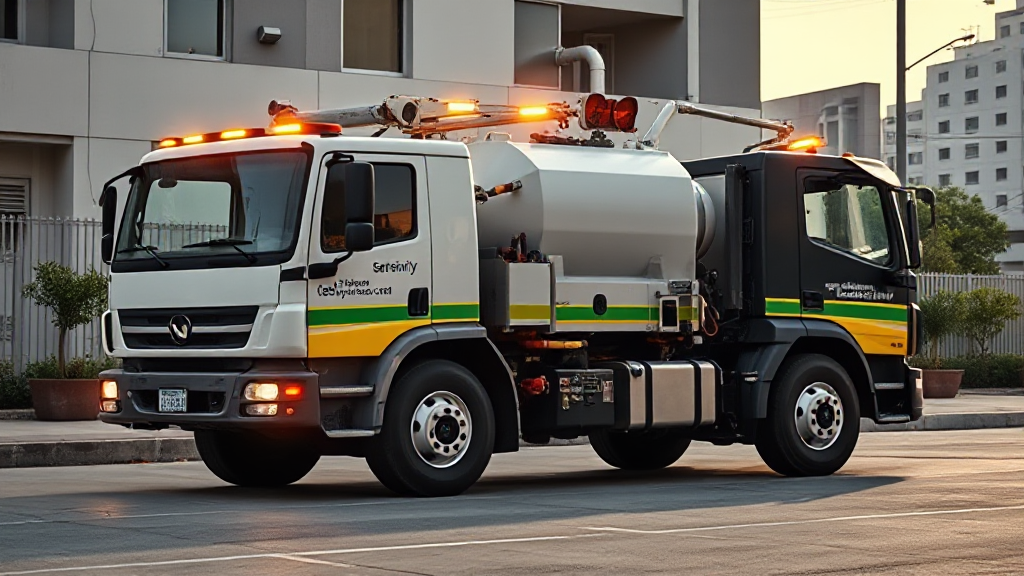
Before the Truck Arrives: Getting Ready for Drain Service in Diadema
Before the Truck Arrives: Getting Ready for Drain Service in Diadema
Most delays on a drain call in Diadema happen before the truck ever leaves the yard. The crew is ready; the problem is that nobody cleared the access path, the building manager is unreachable, or the source of the backup is still a mystery. If you are about to call a desentupidora Diadema, the fastest way to get results is to treat the call like a small project with clear stages. Below is a practical, numbered sequence from the first phone call to the doorbell — each stage has a reason, and skipping one usually adds time on site.
Stage 1: Make the First Call Count
The phone call is not just a request; it is a handover of information. The dispatcher needs to know what is backing up, where, and for how long. Vague descriptions like “the drain is clogged” force the crew to bring a full kit and diagnose from scratch. Specific ones — “the kitchen sink drains slowly and the laundry room floor drain gurgles” — point to a shared branch line and save a diagnostic step.
Have the property address, including block and any access codes, ready before you dial. If you are a tenant, confirm whether the building manager or owner authorizes the service. A clear description of the symptom and its location is the single most useful thing you can provide at this stage.
Stage 2: Clear the Access Path and Protect the Area
Desentupimento equipment is bulky: hoses, rods, and sometimes a hydrojetting reel. A path from the street or service entrance to the affected drain should be free of parked cars, bicycles, boxes, and loose pets. In Diadema, where many homes have narrow side corridors and shared garage entrances, this step alone can save twenty minutes of maneuvering.
What to move and cover
- Move vehicles from the driveway or garage entrance before the estimated arrival window.
- Clear at least one meter around the drain or cleanout cap.
- Lay old towels or plastic sheeting around the work area — some splash is normal.
- Secure pets in a closed room; the noise of equipment can spook them.
If the drain is in a bathroom or kitchen, remove floor mats and small items from the immediate zone. Access is not a courtesy; it is part of the job timeline.
Stage 3: Gather the Building and Unit Information
Technicians need to understand the plumbing layout before they start. For a house, that means knowing where the cleanouts are and whether there is a septic tank or a direct connection to the public sewer. For an apartment, it means knowing the stack location and whether the backup affects only your unit or neighbors above and below.
Have on hand: the property owner’s name and contact, any previous drain service records, and the location of the main cleanout. If you live in a condominium, confirm that the desentupidora Diadema SP team is authorized to access common areas. This avoids the awkward pause when the technician arrives and cannot touch the shared line without written approval.
Common information gaps that slow the visit
- No one knows where the cleanout cap is.
- The building manager is out of town and unreachable.
- Previous service invoices are missing, so the crew cannot tell if the line was recently jetted.
Fill these gaps before the doorbell rings. A five-minute search for the cleanout saves a fifteen-minute hunt on site.
Stage 4: Prepare for the Diagnosis and Possible Outcomes
Once the crew arrives, the first task is diagnosis: camera inspection, rodding, or hydrojetting depending on the blockage. You should be ready for two possible outcomes. The first is a straightforward clearance — the line is opened, tested, and the crew leaves. The second is a finding: roots, a collapsed section, or grease buildup that requires a follow-up visit or a different method.
Ask about the diagnostic step when you book. A desentupidora em Diadema SP that explains its process upfront is easier to coordinate with. Have a decision-maker available by phone if you are not the owner, and set aside a small contingency budget for unexpected findings. Knowing the possible outcomes prevents surprise delays and repeated visits.
| Outcome | What it means | Your prep |
|---|---|---|
| Simple blockage | Line clears with rodding or jetting | Access clear, payment ready |
| Recurring clog | Grease or roots require deeper cleaning | Service history available |
| Structural issue | Camera reveals damage | Owner or manager reachable |
Stage 5: The Doorbell Moment — What to Confirm on Arrival
When the technician arrives, a short walkthrough prevents misunderstandings. Confirm the affected drain, point out the cleanout, and mention any prior work on the line. Ask for an estimate before work begins if you have not already received one. Confirm where the crew can wash hands and dispose of debris, and check that the work area is protected.
After the service, ask for a brief description of what was found and any recommendation for prevention — for example, avoiding grease down the kitchen sink or scheduling periodic maintenance. Keep the receipt and service note; they are useful if the problem returns. The whole visit runs faster when the pre-arrival stages are done, and the doorbell moment is simply the handover of a job already half-organized.