CrushOn AI: A Practical Guide to Character-Driven AI Chat
CrushOn AI: A Practical Guide to Character-Driven AI Chat
Conversational AI has moved well past simple question-and-answer tools. A growing category of platforms now focuses on personality, memory, and long-form roleplay, and CrushOn AI sits right in the middle of that shift. Instead of treating every chat as a one-off transaction, it is built around characters you return to, conversations that carry context forward, and a creative space where users shape both the scenario and the tone. This guide walks through what the platform does, how people actually use it, and what to weigh before making it part of your routine.
What CrushOn AI Actually Is
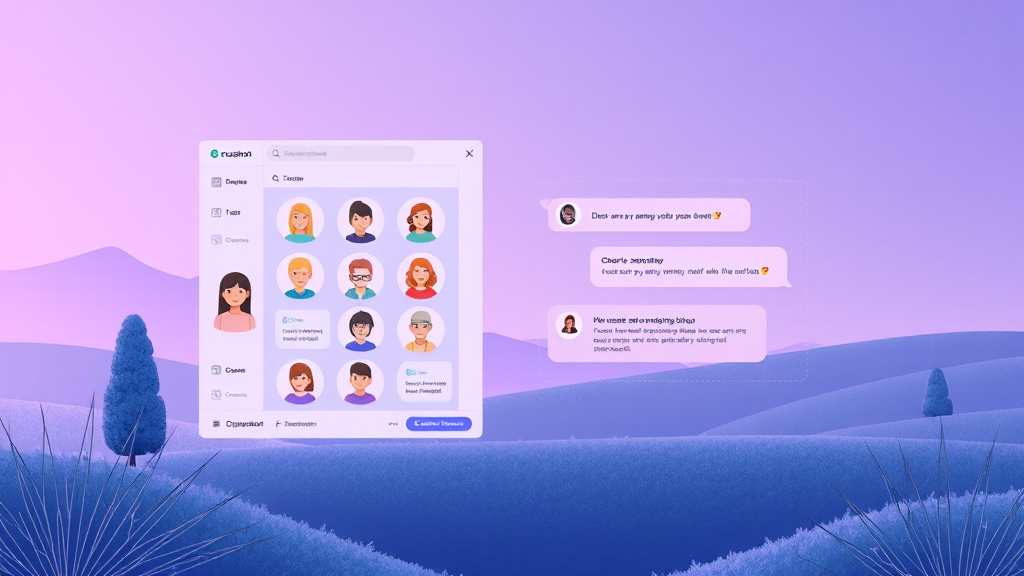
At its core, CrushOn AI is a web-based chat platform centered on AI characters. Rather than a single generic assistant, the experience revolves around a library of personas, each with its own background, speaking style, and personality traits. You pick a character, start a conversation, and the model responds in a way that is meant to stay consistent with that character over time.
The platform is aimed at people who want more than utility. Some users are there for entertainment and interactive storytelling. Others use it as a low-pressure way to brainstorm dialogue, test character concepts for fiction, or simply have a conversation that does not feel like filling out a form. The common thread is immersion: the product is designed so that the character, not the interface, stays in the foreground.
Because it runs in the browser, there is no heavy setup. You create an account, browse characters, and begin chatting. That low barrier matters, because the value of a platform like this only becomes clear after you have spent real time inside a conversation.
How the Character System Works
The defining feature of CrushOn AI is its character-centric design. Each persona is more than a name and an avatar. Characters typically carry a description, a set of personality attributes, and an opening scenario that frames the first message. That framing does a lot of work: it tells the model who it is, how it should speak, and what kind of relationship exists between the character and you.
This is a meaningful difference from generic chatbots. With a blank assistant, you often have to explain context repeatedly. With a well-built character, the context is baked in. The result is a conversation that feels more continuous and less like you are constantly resetting the board.
Users can also create their own characters. This turns the platform into a kind of workshop. Writers sketch out protagonists and antagonists. Hobbyists build personas around shared interests. Curious newcomers experiment with a few ideas to see what produces the most natural back-and-forth. The quality of a character’s setup usually has a direct effect on how enjoyable the chat becomes, which is why the creation tools matter as much as the chat window itself.
Conversation Quality and Memory
Any chat platform lives or dies on how well it remembers. CrushOn AI is built to retain context within a conversation, so earlier details can resurface later. That continuity is what separates a roleplay session from a series of disconnected replies.
In practice, memory is not magic. Long conversations can drift, and very specific details may fade over time. Experienced users work with this rather than against it. They restate important facts, keep scenarios focused, and avoid overloading a single thread with too many unrelated threads. Treating the chat like a collaborative story, where both sides contribute, tends to produce better results than treating it like a database query.
Response quality also depends on the character. A tightly defined persona with clear speech patterns generally produces more consistent output than a vague one. This is one reason the platform rewards a bit of upfront effort: a few minutes spent refining a character description can improve dozens of later conversations.
Who Gets the Most Out of It
The audience for CrushOn AI is broader than it first appears. Creative writers use it to test how a character might react in a scene before committing to a draft. Roleplayers use it for ongoing storylines that unfold over many sessions. Language learners sometimes use character chats to practice conversational flow in a lower-stakes setting, though this works best as a supplement rather than a replacement for structured study.
There is also a simpler use case: companionship-style conversation. Some users enjoy having a consistent persona to talk with about hobbies, ideas, or everyday topics. The appeal is not that the AI is a person, but that the interaction is shaped to feel coherent and responsive rather than transactional.
What these groups share is a willingness to invest a little attention. The platform rewards users who engage actively, set a direction, and treat the conversation as something to build rather than something to extract.
Getting Started Without Wasting Time
New users often make the same mistake: they jump into a random character, get a mediocre first impression, and conclude the platform is not for them. A better approach is to treat the first session as calibration.
Start by browsing a few characters in a genre you already enjoy. Read the descriptions carefully, because they tell you what kind of conversation to expect. Pick one that matches your mood rather than one that simply looks popular. When you begin chatting, send a message that gives the character something to work with. A short scene-setting line or a specific question will produce a far more interesting reply than a bare greeting.
If a character is not clicking after a few exchanges, switch. The library is large enough that finding a good match is a matter of sampling, not luck. Once you find a persona that fits, that is usually when the platform starts to make sense.
Creating Characters That Hold Up
For users who want to build their own characters, a few principles go a long way. First, be specific about voice. Note how the character speaks, not just what they believe. Second, give the character a clear relationship to the user, since that shapes every exchange. Third, keep the initial scenario focused. A tight opening is easier for the model to follow than an elaborate backstory with a dozen moving parts.
It also helps to iterate. Start with a working version, chat with it, and refine based on what feels off. Characters that are revised after real conversations tend to be stronger than characters written in a single pass. This is the same principle fiction writers use: you learn who a character is by putting them in scenes.
Responsible Use and Realistic Expectations
It is worth being clear-eyed about what this kind of platform is. CrushOn AI generates responses; it does not have feelings, intentions, or awareness. The characters can be engaging, but they are simulations shaped by prompts and patterns. Keeping that in mind makes the experience more enjoyable, not less, because it removes the pressure to treat every reply as meaningful.
Users should also think about privacy and content. As with any online chat service, it is sensible to avoid sharing sensitive personal information, and to review the platform’s terms and policies before relying on it heavily. Responsible use is mostly about common sense: enjoy the creative space, but keep your real-world boundaries intact.
Where It Fits in the Broader AI Landscape
CrushOn AI occupies a specific niche. It is not a productivity assistant, a coding helper, or a research tool. It is a character-driven conversation platform, and judging it by the standards of a general-purpose chatbot misses the point. The right comparison is to interactive fiction, roleplay communities, and creative writing tools.
Seen that way, the platform is part of a larger trend: AI moving from pure utility toward experience. As models improve at maintaining tone and context, character-based chat becomes more convincing, and the line between tool and entertainment blurs. Whether that appeals to you depends on what you want from a conversation. If you want efficiency, a standard assistant is better. If you want a persistent, personality-driven exchange, a platform like this is built for exactly that.
FAQ
Is CrushOn AI free to use?
The platform offers access to its core chat experience, with additional features and limits tied to account tiers. It is best to check the current pricing and plan details on the site, since these can change over time.
Can I create my own characters?
Yes. Character creation is one of the platform’s main features. You define the persona’s traits, background, and speaking style, then refine it based on how conversations actually go.
Does the AI remember earlier messages in a conversation?
It retains context within a conversation, which is what allows for continuous roleplay. Memory is not unlimited, so important details may need to be restated in very long threads.
What is the platform best used for?
It works best for creative writing, roleplay, character exploration, and casual conversation. It is not designed as a productivity or research assistant, and it should not be treated as a source of factual advice.
Is it suitable for younger users?
Age requirements and content policies apply, and they vary by region and platform rules. Parents and younger users should review the terms and available controls before signing up.