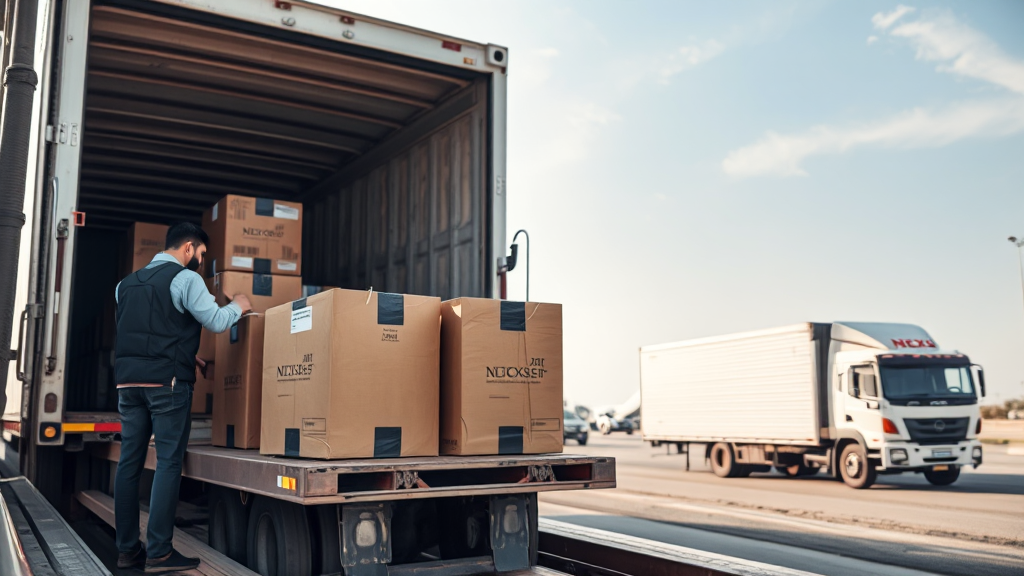
How Air Cargo Services in Islamabad Keep Pakistan’s Supply Chain Moving
How Air Cargo Services in Islamabad Keep Pakistan’s Supply Chain Moving
Islamabad sits at the heart of Pakistan’s administrative and commercial life, and the city’s air links connect it to markets across the Gulf, Europe, East Asia, and North America. For businesses that cannot afford to wait weeks for a sea shipment, air cargo services in Islamabad have become an essential part of how goods move in and out of the capital region. From urgent spare parts and medical supplies to export samples and personal consignments, air freight offers a speed advantage that no other mode of transport can match.
Understanding what these services involve, when they make sense, and how to prepare a shipment properly can save both time and money. This guide walks through the practical side of air cargo in Islamabad, including documentation, cost drivers, packaging, customs clearance, and the role that professional logistics partners play in keeping cargo moving without avoidable delays.
Why Islamabad Is a Strategic Air Cargo Hub
Islamabad and its twin city Rawalpindi form one of the most densely connected regions in northern Pakistan. The area is served by Islamabad International Airport, which handles a steady flow of passenger and cargo traffic, and it sits within easy reach of the industrial corridors of Rawalpindi, Taxila, and Hattar. Freight forwarders based here can consolidate shipments from across Khyber Pakhtunkhwa and northern Punjab before moving them onto international routes.
This geographic position matters for several reasons. A consignment picked up in Islamabad in the morning can often be processed and handed to an airline the same day. Exporters of textiles, surgical instruments, leather goods, and sports equipment from nearby manufacturing clusters rely on this speed to meet buyer deadlines. Importers, meanwhile, use air freight to restock fast-moving inventory, receive critical machinery components, and bring in items that are too valuable or too time-sensitive to travel by sea.
Government offices, embassies, and international organizations based in the capital also generate regular demand for secure, time-bound cargo movement. That mix of commercial, institutional, and personal demand keeps the city’s air freight ecosystem active throughout the year.
What Air Cargo Services Typically Include
A complete air cargo service is more than a booking on a flight. Reputable providers in Islamabad usually offer an end-to-end package that covers pickup, documentation, airline booking, customs formalities, and final delivery. The main components include:
- Door-to-door pickup: Collection of goods from a home, office, factory, or warehouse, often with packing support for fragile or high-value items.
- Consolidation: Combining smaller consignments from different shippers into a single air waybill to reduce per-kilogram costs.
- Documentation: Preparation of the air waybill, commercial invoice, packing list, certificate of origin, and any sector-specific certificates.
- Customs clearance: Coordination with customs agents at both the origin and destination to ensure goods are declared correctly and released promptly.
- Airline handling: Booking space with domestic and international carriers, including express and general cargo options.
- Final-mile delivery: Transport from the destination airport to the consignee’s address, sometimes through partner networks abroad.
Some providers also offer warehousing, insurance, and real-time tracking. For businesses shipping regularly, a logistics partner can set up scheduled pickups and standardized documentation, which reduces the risk of errors and last-minute rushes.
When Air Freight Makes More Sense Than Sea or Road
Air freight is usually more expensive per kilogram than ocean freight, so it is not the default choice for every shipment. However, there are clear situations where the higher rate is justified:
Urgent deliveries. When a production line is down because a replacement part is stuck overseas, or a retailer needs stock before a seasonal peak, air cargo can compress weeks of transit into days.
High-value, low-weight goods. Electronics, pharmaceuticals, cosmetics, jewelry, and precision instruments often have a value-to-weight ratio that makes air freight economical once insurance and inventory-carrying costs are factored in.
Perishables and temperature-sensitive items. Certain food products, biological samples, and medicines need controlled conditions and short transit times that only air transport can reliably provide.
Export samples and trade show materials. Businesses sending prototypes or display items to international buyers often cannot wait for a sea container to arrive.
Personal and household consignments. Individuals relocating abroad sometimes ship a portion of their belongings by air when they need specific items quickly, while the rest of the household goods travel by sea.
For many Islamabad-based shippers, the decision comes down to a simple calculation: does the cost of delay exceed the premium paid for air transport? When the answer is yes, air cargo is the practical choice.
Cost Drivers: What Determines Your Air Freight Rate
Air cargo pricing is not a single flat number. Several variables interact to determine the final quote, and understanding them helps shippers plan budgets and avoid surprises.
Chargeable weight. Airlines charge based on either the actual weight or the volumetric weight of a shipment, whichever is greater. Volumetric weight is calculated from the dimensions of the package, so bulky but light cargo can cost more than expected. Efficient packing that reduces empty space can lower the chargeable weight.
Route and carrier. Direct flights are faster but usually pricier. Indirect routes with a transit stop can reduce costs at the expense of a day or two in transit. Different airlines also have different rate structures for express, general, and consolidated cargo.
Seasonality. Demand for air cargo peaks ahead of major holidays, during end-of-quarter shipping rushes, and when ocean freight disruptions push more goods into the air. Rates can rise sharply during these periods.
Commodity type. Dangerous goods, temperature-controlled items, and oversized cargo require special handling and attract surcharges. Standard general cargo is the most economical category.
Ancillary services. Pickup, packing, insurance, customs brokerage, and final delivery all add to the total. A door-to-door quote will be higher than an airport-to-airport rate, but it also removes much of the coordination burden from the shipper.
Getting quotes from more than one provider is a sensible habit, but the cheapest option is not always the best. Reliability, communication, and customs expertise often matter more than a small difference in the per-kilogram rate.
Documentation and Customs: The Details That Cause Delays
Most air cargo delays are not caused by aircraft availability but by paperwork. Missing signatures, mismatched invoice values, incorrect harmonized system codes, or incomplete certificates can hold a shipment at customs for days. To keep things moving, shippers should prepare the following documents accurately:
- Air waybill (AWB): The contract between the shipper and the airline, containing details of the consignor, consignee, route, and cargo.
- Commercial invoice: A clear description of the goods, quantities, unit values, and total value, used by customs to assess duties.
- Packing list: An itemized list of what is inside each package, including weights and dimensions.
- Certificate of origin: Required by some destination countries to determine preferential tariff treatment.
- Special certificates: Health, phytosanitary, or dangerous goods declarations, depending on the commodity.
Accuracy is critical. Under-declaring value to reduce duties is illegal and can result in fines, confiscation, or blacklisting. Over-declaring, on the other hand, unnecessarily increases the duty paid. Working with an experienced freight forwarder or customs agent in Islamabad helps ensure that declarations match the actual shipment and the destination country’s requirements.
For international shipments, it is also worth confirming whether the destination applies any import restrictions, licensing requirements, or additional taxes. A knowledgeable international cargo services in Islamabad provider can flag these issues before the goods leave the warehouse, which is far cheaper than resolving them after arrival.
Packing and Preparing Cargo for Air Transport
Air cargo is handled multiple times between pickup and delivery, so packaging needs to withstand stacking, vibration, and changes in temperature and pressure. A few practical guidelines can prevent damage and rejected shipments:
Use strong, double-walled cartons. Single-wall boxes may crush under the weight of other cargo. For heavy items, consider wooden crates or reinforced pallets.
Protect fragile goods individually. Bubble wrap, foam inserts, and edge protectors reduce the risk of impact damage. Liquids should be sealed in leak-proof containers and placed inside absorbent material.
Label clearly. Include the consignee’s address, contact number, handling instructions, and any orientation arrows. Labels should be printed, not handwritten, to avoid misreading.
Respect weight limits. Individual pieces that are too heavy or oversized may need special handling and can attract additional fees. Check with the carrier before packing.
Declare dangerous goods correctly. Batteries, aerosols, flammable liquids, and certain chemicals are subject to strict rules. Failure to declare them can lead to penalties and safety risks.
For households and businesses moving a mix of items, professional packing services can be worthwhile. Trained packers know how to secure electronics, furniture, and fragile decor so that they arrive intact, and they can also advise on which items are better shipped by sea.
Choosing the Right Air Cargo Partner in Islamabad
The logistics market in Islamabad includes large international forwarders, regional specialists, and smaller local operators. The right choice depends on the nature of the shipment, the destination, and the level of support required. When evaluating providers, consider the following:
Experience with your commodity and route. A provider that regularly handles pharmaceuticals or dangerous goods will have established procedures and carrier relationships that reduce risk.
Transparent pricing. Ask for a breakdown of charges, including fuel surcharges, security fees, customs brokerage, and delivery. Quotes that seem unusually low may exclude essential services.
Communication and tracking. Reliable updates matter when a shipment is time-sensitive. Confirm how you will be notified of milestones and exceptions.
Customs expertise. In-house or closely partnered customs agents can clear shipments faster and resolve queries without back-and-forth delays.
Insurance options. Cargo insurance protects against loss or damage that occurs outside the carrier’s limited liability. For high-value goods, it is almost always worth the modest premium.
It also helps to ask about warehousing and consolidation services. If you ship regularly but in small quantities, consolidation can lower your per-shipment costs significantly.
Air Cargo and Household Relocation: A Practical Combination
Air cargo is not only for commercial freight. Families relocating from Islamabad to another country often face a dilemma: sending everything by sea is economical but slow, while sending everything by air is fast but expensive. A hybrid approach works well for many people. Essential items, documents, clothing, and a few sentimental pieces can travel by air, while furniture, appliances, and bulkier household goods go by sea.
This is where a moving and relocation company with logistics experience can add value. Nexo Movers and Packers, for example, handles packing, moving, and relocation services for customers in Islamabad and across Pakistan, and can coordinate the air and sea portions of a move so that timelines align. Combining professional packing with air cargo for priority items reduces the stress of an international move and ensures that the family is not left without essentials for weeks.
For businesses, a similar logic applies to office relocations. IT equipment, legal files, and other sensitive items can be air-freighted to a new location while furniture and archives travel by sea. Careful planning prevents downtime and keeps operations running.
Common Mistakes to Avoid
Even experienced shippers sometimes run into problems. The most common mistakes include:
- Booking space too late during peak season and paying premium rates or missing the flight entirely.
- Underestimating volumetric weight and being surprised by the final invoice.
- Providing vague or inaccurate goods descriptions on customs documents.
- Using inadequate packaging that fails during handling.
- Ignoring destination-country import rules and licensing requirements.
- Choosing a provider solely on price without checking reliability and support.
Avoiding these pitfalls is mostly a matter of planning and communication. Start early, document accurately, and work with a provider who asks the right questions before the shipment leaves the warehouse.
Frequently Asked Questions
How long does air cargo take from Islamabad to international destinations?
Transit time depends on the route and carrier. Direct flights to major hubs in the Gulf can deliver in one to three days, while destinations in Europe or North America typically take three to seven days, including customs clearance. Indirect routes may add a day or two.
What is the minimum shipment size for air cargo?
There is no strict minimum, but very small shipments are often handled as courier parcels rather than freight. Consolidation services allow small consignments to be combined with others to reduce costs, making air cargo viable even for modest volumes.
Can I ship personal household items by air cargo from Islamabad?
Yes. Personal effects, clothing, documents, and small electronics can be shipped by air. Many relocation companies combine air and sea transport so that essential items arrive quickly while bulkier goods travel more economically by sea.
Is cargo insurance necessary?
It is not legally mandatory, but it is strongly recommended for valuable or fragile shipments. Carrier liability is usually limited, so insurance provides financial protection if goods are lost or damaged in transit.
How can I reduce air freight costs?
Pack efficiently to minimize volumetric weight, book early to avoid peak-season surcharges, consolidate multiple shipments, and choose indirect routes when time allows. Comparing quotes from several providers also helps you find the best balance of price and reliability.
Final Thoughts
Air cargo services in Islamabad play a vital role in connecting Pakistan’s capital region to global markets. Whether you are an exporter meeting a tight deadline, a business restocking critical inventory, or a family relocating abroad, understanding how air freight works helps you make better decisions and avoid costly delays. From documentation and packaging to customs clearance and final delivery, each step benefits from experience and careful planning.
By choosing a logistics partner that communicates clearly, prices transparently, and handles the details professionally, you can move goods quickly and confidently. Islamabad’s air links are a genuine advantage for anyone who needs speed, and with the right preparation, that advantage is available to businesses and individuals alike.